The hotel room occupancy system problem
Hotels still manage room status with manual tags and timer guesses that do not match reality: a room shows vacant on the PMS but a guest is asleep inside, or shows clean while the guest has not checked out. A hotel room occupancy system fixes this by turning real presence into a live signal. A hotel occupancy sensor using mmWave radar detects the guest — including a sleeping or seated guest — and the intelligent room occupancy system broadcasts that status to housekeeping, HVAC, and the door sign. Room occupancy management becomes a fact, not a guess.
Why an mmWave hotel room occupancy system beats PIR and timers
A hotel room occupancy system comparison starts with the failure modes of legacy controls. PIR occupancy sensors react to thermal contrast, so they fail on stationary occupants (sleeping, reading, desk work) and in warm rooms where ambient temperature nears skin temperature. A fixed timer keeps HVAC on for 15 minutes after the last motion, so a napping guest gets cut off. An mmWave hotel room occupancy system avoids both: the radar core detects micro-motion and breathing, holding the room occupied while the guest is present, and it is unaffected by ambient temperature. Hotel rooms are the classic occupancy failure case — a guest reading in bed generates little movement, so PIR falsely reports vacant. A hotel room occupancy system built on 24GHz or 60GHz wideband mmWave detects breathing up to 2.5-5m, covering a bed and seating area from the ceiling. This intelligent room occupancy system is the right fit where false-vacant errors cause guest complaints.
Components of the hotel room occupancy system
| Component |
Role in room occupancy management |
| mmWave occupancy sensor |
Detects motion, micro-motion, and breathing — holds room occupied while guest present |
| Recessed door contact sensor |
Fires on door latch move — instant entry detection and exit confirmation |
| Central controller |
Turns occupancy into HVAC, lighting, and signage actions |
| Housekeeping dashboard |
Shows one unified room-status signal per door |
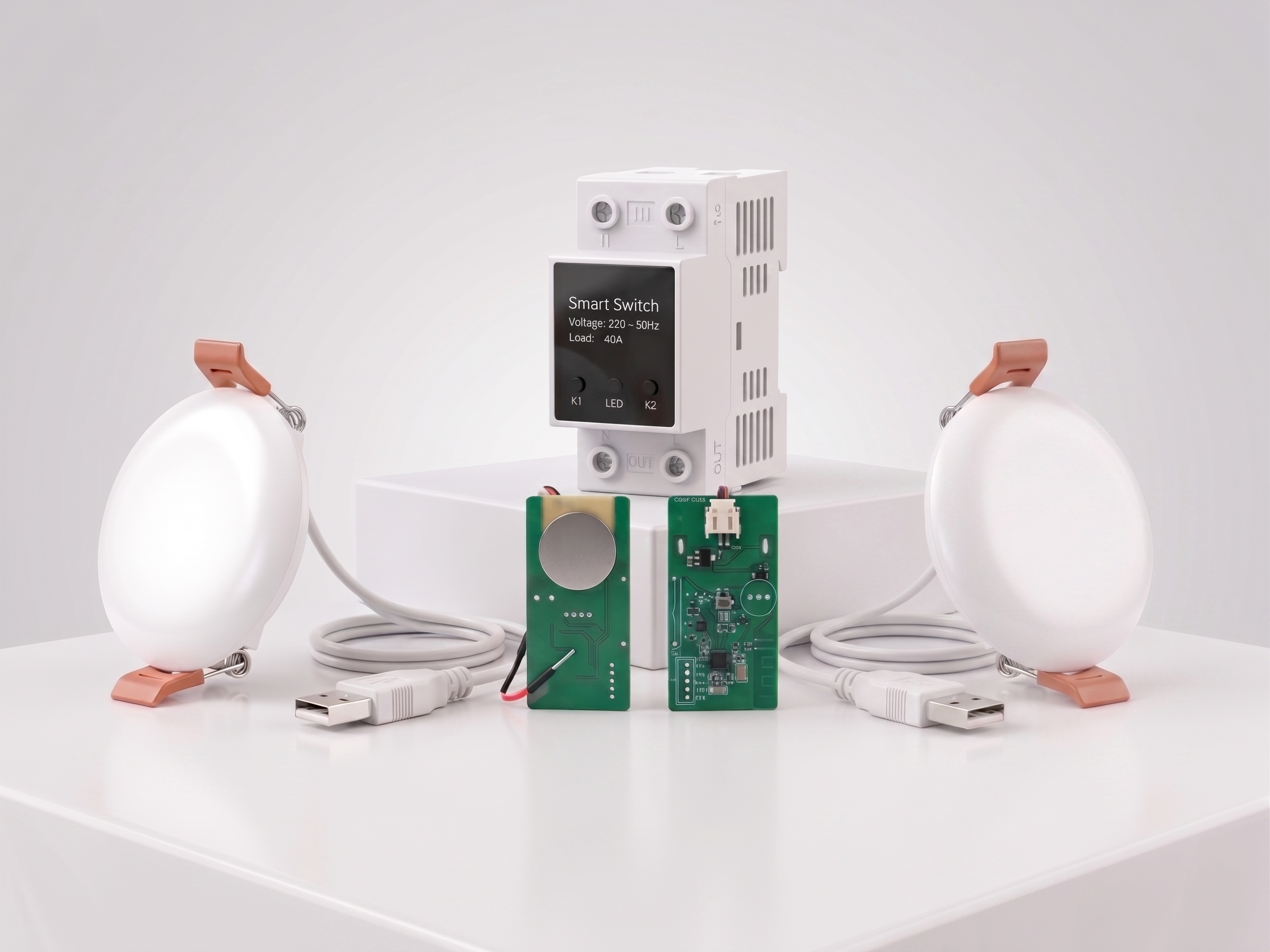
The hotel room occupancy system is designed as a coordinated bundle, so procurement and commissioning are straightforward. The occupancy sensor reaches 2.5m micro-motion detection (or 5m on 60GHz), covering a bed and seating area from the ceiling, while the door sensor handles the entry/exit edge case the radar cannot catch instantly. All components share one Zigbee 3.0 mesh, so the hotel room occupancy system reads a unified room-status signal. No other intelligent room occupancy system on the market combines breathing-level detection with door-state and controller linkage in one stack.
Hotel room occupancy system use cases
Housekeeping scheduling
A hotel room occupancy system feeds real-time room status to housekeeping staff, who skip occupied rooms and prioritize vacated ones. No more knocking on occupied doors or waiting in corridors — the system shows which rooms are ready for cleaning. Room occupancy management turns status from a guess into a live signal.
HVAC energy saving
A hotel room occupancy system triggers HVAC and lighting setback the moment a guest leaves, not after a fixed timer. Hotels typically cut room energy cost 20-40% with true occupancy-based control, because room occupancy management reacts to actual departure within seconds rather than guessing with a timer.
Do-not-disturb intelligence
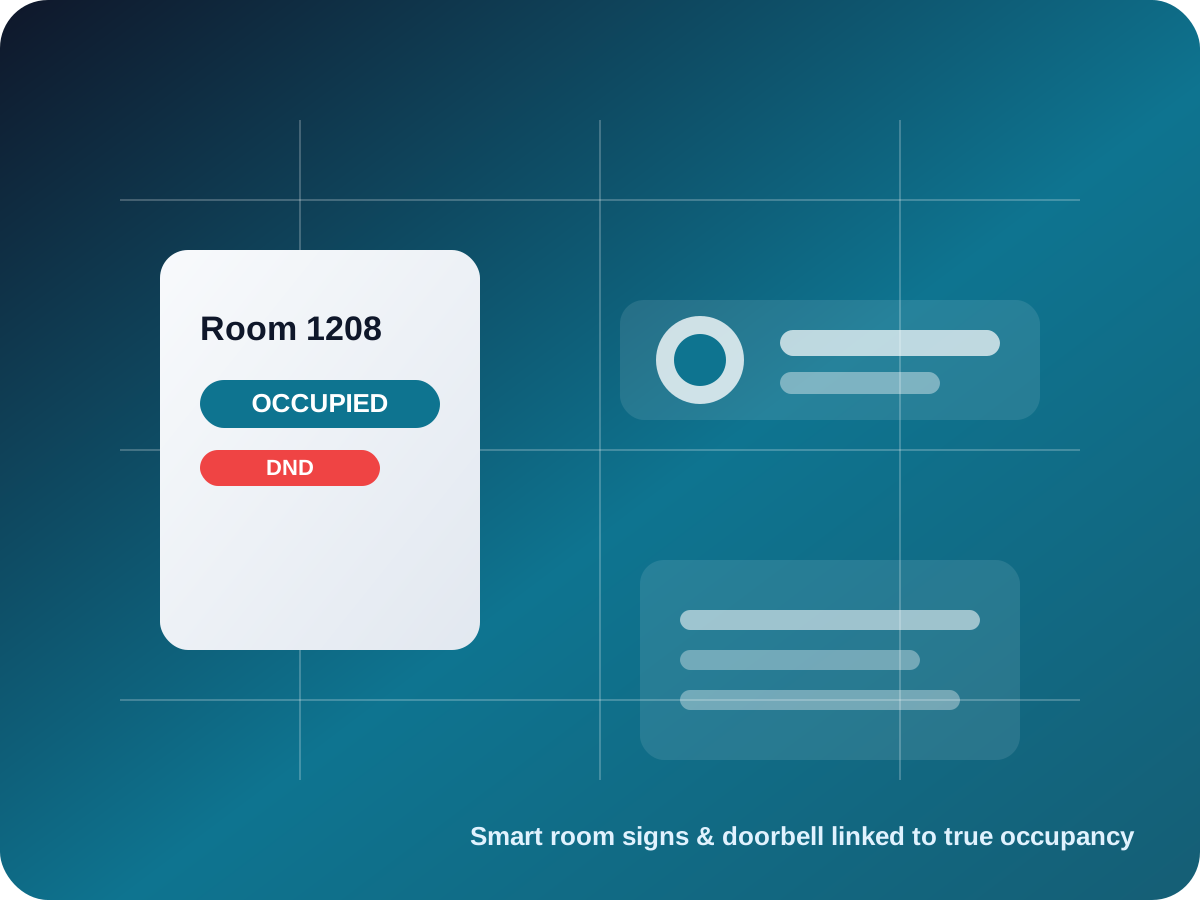
Combine the hotel room occupancy system with a door sensor: if the room is occupied and the door is closed, the system shows Do Not Disturb on the housekeeping dashboard — without requiring the guest to press a button or hang a sign. The intelligent room occupancy system replaces the physical DND tag.
Vacation rental auto check-out
For short-term rentals, the hotel room occupancy system detects when guests have left and triggers check-out: lock the door, turn off HVAC, notify the cleaning team. No more guessing whether guests have departed.
Deployment of the hotel room occupancy system
The hotel occupancy sensor flush-mounts into a standard ceiling cutout; the door sensor hides in the lock gap on lock battery power; the controller drops into the panel on AC 100-240V. As a Zigbee hotel room occupancy system, it uses 3.0 mesh networking that scales to whole-floor deployment without WiFi congestion, and it works with Tuya Smart Life and any standard Zigbee 3.0 gateway. A single floor of the hotel room occupancy system joins one mesh reporting to the building dashboard.
From pilot to rollout
- Sampling: 5-10 mmWave occupancy sensors and a controller for on-site validation of micro-motion and breathing detection.
- Pilot: one floor (20-40 rooms) for 2-4 weeks — confirm room status accuracy and energy savings.
- Integration: link the hotel room occupancy system to housekeeping dashboard, HVAC, and PMS via Zigbee or API.
- Rollout: mass production, FOB Shenzhen, on-site commissioning across the property.
- Support: OEM branding, firmware customization, after-sales warranty.
Certifications
CE, FCC, RoHS, and ISO 9001 certified for direct import into EU and US markets. Every hotel room occupancy system component ships with compliance documentation.